
Balcony Vegetable Container Garden for Beginners With Limited Space
Learn how to grow tomatoes, herbs, and greens in containers on a small balcony with minimal tools and a tight budget.
Balcony Vegetable Container Garden for Beginners With Limited Space
Growing your own vegetables does not require a sprawling backyard or years of gardening experience. If you have a balcony — even a small one — you already have enough space to produce fresh tomatoes, crisp lettuce, fragrant herbs, and more. Container gardening has exploded in popularity precisely because it meets people where they are: in apartments, condos, and townhouses where outdoor space is measured in square feet rather than acres.
The good news is that starting a balcony vegetable container garden is genuinely beginner-friendly. You do not need expensive equipment, a green thumb, or a lot of time. What you do need is a basic understanding of how containers, soil, sunlight, and water work together — and that is exactly what this guide covers. Whether your balcony faces south and bakes in afternoon sun or sits in partial shade most of the day, there is a productive setup waiting for you.
Quick Answer
- Choose containers that are at least 12 inches deep for most vegetables; larger is almost always better.
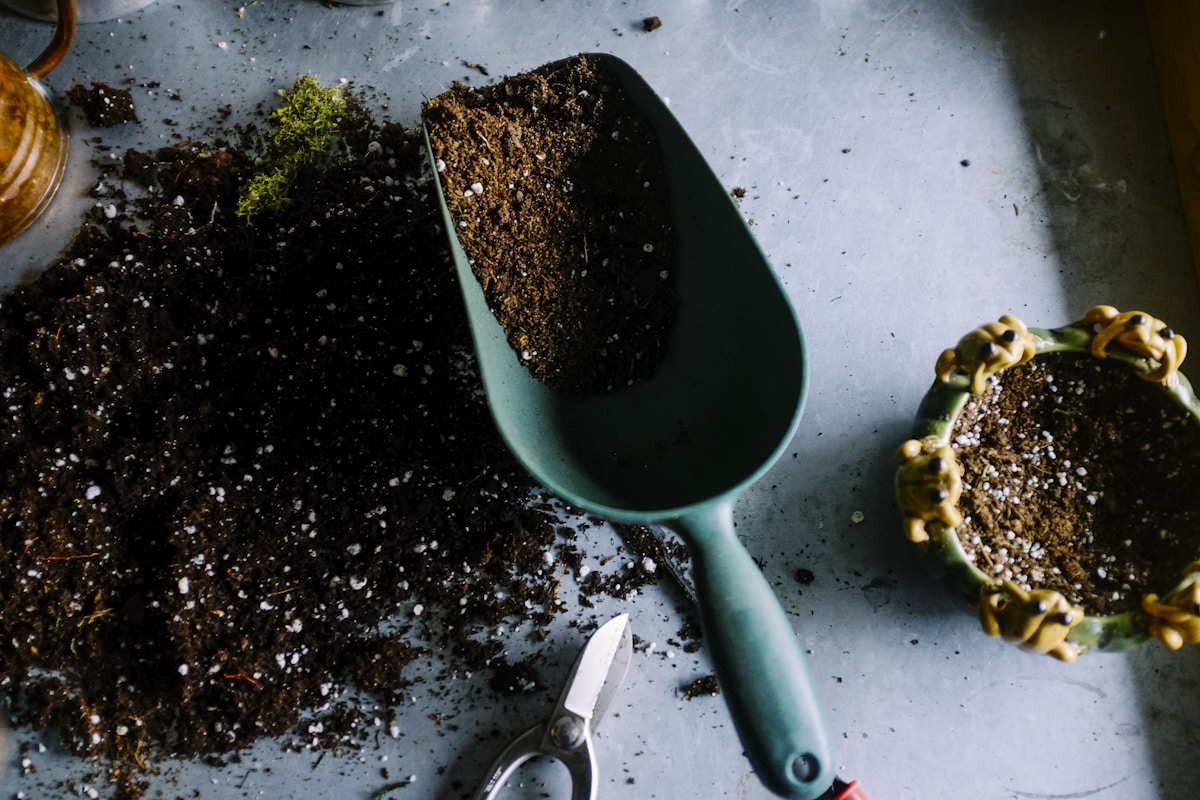
- Use quality potting mix, not garden soil, to ensure proper drainage and aeration in containers.
- Start with easy crops like cherry tomatoes, lettuce, spinach, basil, and radishes for quick wins.
- Water consistently — containers dry out faster than ground soil, so check moisture daily in warm weather.
- Position containers to maximize whatever sunlight your balcony receives, rotating pots if needed.
Why Container Gardening on a Balcony Actually Works
Many beginners assume that containers are a compromise — a lesser version of “real” gardening. In practice, container gardening offers several genuine advantages. You control the soil quality completely, which means no dealing with compacted clay or nutrient-depleted ground. You can move plants to chase sunlight or protect them from sudden cold snaps. Pests and weeds are significantly easier to manage. And because your garden is right outside your door, you are more likely to notice problems early and harvest at peak ripeness.
The key is understanding that containers create a different growing environment than the ground. Roots are confined, moisture evaporates faster, and nutrients wash out with watering. Once you account for those differences — mostly through smart container selection, good potting mix, and regular feeding — balcony vegetable gardening becomes very manageable.
Assessing Your Balcony Before You Buy Anything
How Much Sunlight Does Your Balcony Get?
Sunlight is the single most important factor in vegetable gardening. Before purchasing seeds, soil, or containers, spend a day observing how light moves across your balcony.
- Full sun (6+ hours of direct sunlight): You can grow almost anything — tomatoes, peppers, cucumbers, beans, and herbs thrive here.
- Partial sun (3–6 hours): Stick to leafy greens, herbs like parsley and cilantro, radishes, and peas.
- Low light (fewer than 3 hours): Focus on microgreens, mint, and shade-tolerant herbs. Most fruiting vegetables will struggle.
Weight Limits and Structural Considerations
Large containers filled with wet soil are heavy. A 15-gallon pot with moist potting mix can weigh 50 pounds or more. Before loading up your balcony, check your building’s guidelines or consult your lease. Distribute weight along load-bearing walls and edges rather than concentrating it in one spot. Lightweight containers made from fabric or plastic help reduce the overall load.
Wind Exposure
High-rise balconies can be surprisingly windy, which stresses plants and dries out soil rapidly. Taller plants like tomatoes and peppers may need staking or windbreaks. A simple trellis, a row of shorter plants along the railing, or a mesh screen can reduce wind significantly.
Choosing the Right Containers
What Size Container Do You Need?
Container size directly affects how well your plants grow. Roots need room to expand, and larger containers hold more moisture and nutrients.
| Vegetable | Minimum Container Depth | Minimum Volume |
|---|---|---|
| Lettuce / Spinach | 6–8 inches | 1–2 gallons |
| Radishes / Green Onions | 6–8 inches | 1–2 gallons |
| Herbs (basil, parsley) | 8–10 inches | 1–2 gallons |
| Bush beans / Peas | 10–12 inches | 3–5 gallons |
| Cherry tomatoes | 12–14 inches | 5–10 gallons |
| Peppers | 12 inches | 3–5 gallons |
| Cucumbers | 12–14 inches | 5 gallons |
| Standard tomatoes | 14–18 inches | 10–15 gallons |
Best Container Materials for Balconies
- Fabric grow bags: Lightweight, affordable, promote air pruning of roots, and fold flat for storage. Excellent for beginners.
- Plastic pots: Inexpensive, retain moisture well, and come in every size. Look for UV-resistant options.
- Self-watering containers: Built-in reservoirs reduce how often you need to water — a genuine advantage for busy people.
- Terracotta: Beautiful but heavy and porous, meaning they dry out quickly. Best for herbs that prefer drier conditions.
Always ensure containers have drainage holes. Waterlogged roots are one of the most common causes of container plant failure.
The Best Soil for Container Vegetables
Never fill containers with soil dug from the ground. Garden soil compacts in pots, suffocates roots, and drains poorly. Instead, use a high-quality potting mix specifically formulated for containers. Look for mixes that contain:
- Perlite or vermiculite for drainage and aeration
- Compost for nutrients and beneficial microbial activity
- Coir (coconut fiber) for moisture retention
You can also mix your own by combining two parts quality potting mix, one part compost, and one part perlite. This blend drains well, holds adequate moisture, and provides a good nutrient base.
Because containers leach nutrients with every watering, plan to feed your plants regularly. A balanced liquid fertilizer applied every one to two weeks during the growing season keeps plants productive. Slow-release granular fertilizers mixed into the potting medium at planting time are another low-maintenance option.
The Best Vegetables to Grow in Containers on a Balcony
Easiest Crops for Beginners
Cherry tomatoes are arguably the most rewarding balcony crop. Varieties like ‘Tumbling Tom,’ ‘Patio,’ and ‘Sweet 100’ are bred for container life. They produce abundantly in 5–10 gallon pots and need only a small cage or stake for support.
Lettuce and salad greens grow quickly, tolerate partial shade, and can be harvested leaf by leaf over many weeks. Sow seeds directly into shallow containers and you can be eating homegrown salad within 30–45 days.
Herbs — basil, chives, parsley, mint, thyme, and rosemary — are compact, useful in the kitchen, and genuinely easy to grow. Keep mint in its own container because it spreads aggressively.
Radishes mature in as little as 25 days, making them perfect for impatient beginners who want to see results fast.
Spinach and kale are cold-tolerant, nutritious, and productive in partial sun. They are ideal for spring and fall growing when temperatures are cooler.
Slightly More Challenging but Very Rewarding
- Peppers: Need consistent warmth and full sun but produce well in 3–5 gallon containers.
- Cucumbers: Compact bush varieties like ‘Bush Pickle’ or ‘Spacemaster’ work well in 5-gallon pots with a small trellis.
- Green beans: Bush varieties (not pole beans) are well-suited to containers and produce a satisfying harvest.
Watering: The Most Important Daily Habit
Container plants dry out much faster than in-ground plants, especially in warm weather or on windy balconies. Check soil moisture daily by pressing your finger about an inch into the potting mix. If it feels dry at that depth, water thoroughly until it drains from the bottom.
Avoid shallow, frequent watering that only wets the top layer of soil. Deep, thorough watering encourages roots to grow downward and makes plants more resilient. Early morning is the best time to water — it reduces evaporation and gives foliage time to dry before evening, which helps prevent fungal issues.
Self-watering containers and drip irrigation systems with timers are excellent investments if you travel frequently or tend to forget.
Pro Tip
Group your containers together. Clustering pots creates a microclimate with slightly higher humidity, which benefits most vegetables. It also makes watering more efficient and helps smaller pots stay moist longer by reducing wind exposure between plants. As a bonus, a dense grouping of containers looks lush and intentional rather than sparse and scattered.
Setting Up Your Balcony Garden Step by Step
- Observe your sunlight for one full day before buying anything.
- Choose two or three crops that match your light conditions and your cooking habits.
- Select appropriate containers with drainage holes; fabric grow bags are a great starting point.
- Fill with quality potting mix and mix in slow-release fertilizer if desired.
- Plant seeds or seedlings at the depth recommended on the seed packet or plant tag.
- Water thoroughly after planting and establish a daily check-in routine.
- Feed every one to two weeks with liquid fertilizer once plants are established.
- Harvest regularly — picking vegetables and herbs frequently encourages more production.
Common Beginner Mistakes to Avoid
- Using containers that are too small: When in doubt, go bigger. Larger containers are more forgiving of missed waterings and produce better yields.
- Overwatering: More container plants die from overwatering than underwatering. Always check before you water.
- Skipping fertilizer: Potting mix nutrients deplete quickly. Regular feeding is not optional for productive plants.
- Planting too many things at once: Start with three to five containers and expand once you understand how your balcony performs.
- Ignoring pest damage: Check the undersides of leaves regularly for aphids, spider mites, and other common pests. Catching problems early makes them much easier to manage.
FAQ
What vegetables grow best in containers on a balcony? Cherry tomatoes, lettuce, spinach, herbs (basil, parsley, chives), radishes, and peppers are among the most reliable and productive choices for balcony containers. They are compact, respond well to container growing, and provide frequent harvests that make the effort feel worthwhile.
How much sun does a balcony need for a vegetable garden? Most fruiting vegetables like tomatoes and peppers need at least six hours of direct sunlight per day. Leafy greens, herbs, and root vegetables can manage with three to six hours. If your balcony receives fewer than three hours of direct sun, focus on microgreens, mint, and shade-tolerant herbs rather than trying to force sun-loving crops.
What kind of soil should I use for container vegetables? Always use a quality potting mix — never garden soil or topsoil. Garden soil compacts in containers and drains poorly. Look for a potting mix that contains perlite or vermiculite for drainage, compost for nutrients, and coir for moisture retention. Adding slow-release fertilizer at planting time gives plants a strong nutritional foundation.
How often should I water container vegetables on a balcony? Check soil moisture daily during warm weather. Most container vegetables need watering every one to two days in summer, and possibly twice daily during heat waves. Water deeply until it drains from the bottom of the pot, and always check the soil before watering rather than following a rigid schedule.
Can I grow vegetables on a shaded balcony? Yes, with realistic expectations. Leafy greens like lettuce, spinach, and arugula tolerate partial shade well. Herbs like mint, parsley, and cilantro also manage in lower light. Fruiting vegetables such as tomatoes, peppers, and cucumbers require full sun and will produce poorly or not at all in deep shade.
Conclusion
Starting a balcony vegetable container garden is one of the most accessible and rewarding ways to connect with where your food comes from. You do not need a large space, a big budget, or prior experience. What you need is a willingness to observe your environment — especially your sunlight — and a commitment to the simple daily habit of checking on your plants.
Begin small and focused. Choose two or three crops you actually enjoy eating, invest in decent containers and potting mix, and give your plants consistent water and occasional feeding. The learning curve is gentle, the rewards are immediate, and the satisfaction of eating something you grew yourself, even on a tiny urban balcony, is genuinely hard to match. Once you experience your first homegrown tomato or a handful of fresh basil snipped from your own pot, expanding your container garden in subsequent seasons will feel like the most natural next step.